
Hushed: US Second Phone Number
AffinityClick Inc.Communication
4.05.55K Reviews
- Version
- 5.36.0
- Installs
- 10.00M
- Age Rating
- Everyone
Screenshots
Our Review of Hushed: US Second Phone Number
 Analysis by Appyee
I’d consider Hushed for a household when someone needs a separate contact number without adding another handset to the kitchen counter or family travel bag. A parent might want a number for selling furniture, arranging a repair, or handling a short-term project, while keeping their everyday line for close contacts. That distinction is useful, but it works best when everyone understands whose account and conversations the number belongs to. A second number is a boundary, not a shared family inbox.
One device, clearer household boundaries
On a shared tablet or phone, I would be deliberate about who can unlock the device and open the app. A separate number helps keep calls and texts apart from a primary line, but it does not by itself create separate user profiles or decide which family member can see messages. If you lend someone the device, treat access to Hushed like access to any other communication app: agree on who uses it and avoid leaving private conversations open.
That distinction matters for practical reasons as well as privacy. A household can use a second number for a one-off classified sale or a repair appointment, then stop giving that number out once the task is over. It is less suitable as a permanent shared contact for every family member, because callers may not know who will answer and messages can become difficult to manage. For a stable family contact point, a dedicated household line or an agreed primary number may be clearer.
Choosing a number for a particular job
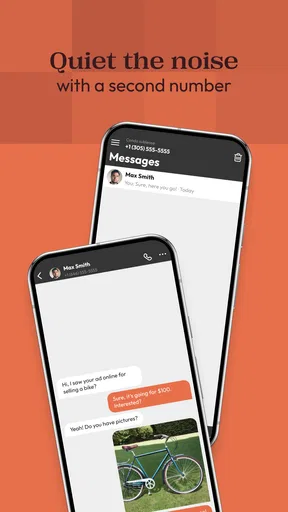
I find a second number most useful when the reason for using it is specific. For example, if I were listing a bicycle online, I could give prospective buyers the alternate number rather than my main one. I would keep the conversation there, arrange a meeting in a public place, and avoid moving the exchange back and forth between numbers. That simple routine makes it easier to recognize which calls relate to the sale and to stop using that contact route when the task is finished.
For ongoing freelance work, the trade-off is different. A number that clients can keep using needs to be maintained, and the app’s paid usage can matter more than the convenience of having another line. Before giving it to regular customers, I would decide whether I can reliably check that inbox and whether I want that number to remain part of my working identity. A temporary number is useful for a short boundary; it is not automatically the best foundation for a long-term business contact.
Coordination without confusing contacts
If two adults are coordinating a household task, I would choose one person to own the conversation and tell the other where the details are being handled. For instance, when arranging a contractor visit, one person can receive the calls and texts on the alternate line, then share the appointment time and any changes through the household’s usual channel. This avoids the awkward situation where one person expects a reply from a number the other person has never checked.
For a project that genuinely needs separate workstreams, multiple numbers on one device can help distinguish them. I would label the purpose in my own routine—such as “marketplace” or “client work”—and check the relevant number before returning a missed call. The advantage is mental organization, not automatic coordination: people still need to agree who responds, and a second number does not make a shared calendar or family communication plan for them.
There is also a useful choice between keeping a number for continuity and letting a temporary contact route expire. If a buyer or short-term contact may need to follow up, ending access too soon can create friction. If the reason for sharing the number has passed, keeping it active may be unnecessary. I would decide at the outset what counts as “finished,” and save any essential details elsewhere before relying on a number that is intended to be temporary.
Age, trust, and sensible expectations
The app is rated for Everyone, but that does not mean a second number is automatically appropriate for every child or every household situation. I would focus on the person’s maturity, the purpose of the conversations, and who can access the device. A parent considering it for a teenager should discuss what the number is for and how to handle unfamiliar callers, rather than assuming the app itself provides family supervision.
For adults sharing a device, trust is just as important. A separate number can protect the main number from being handed out, but it cannot prevent another person with device access from seeing an open app. If confidentiality matters, use the device and account in a way that matches that expectation, and do not treat “second number” as a promise that messages are invisible to other device users.
How it compares with familiar alternatives
Compared with carrying a second phone or arranging another SIM, an app-based number is convenient because it keeps the extra line on the device already in your pocket. That is the main appeal when you want a boundary for calls and texts without managing another piece of hardware. The compromise is that calling depends on a usable internet connection, so a weak connection can make the experience less dependable than a conventional cellular line.
Your regular number remains the simpler option for trusted contacts who already know it and need to reach you consistently. A separate number makes more sense when you want to control who receives your primary contact details or distinguish a particular role. For occasional, low-stakes communication, a temporary email address or a marketplace’s built-in messaging may be enough; those options avoid another number altogether. I would choose Hushed when voice calls, texts, or voicemail matter to the task, not simply because having another account sounds more private.
Costs and day-to-day reliability
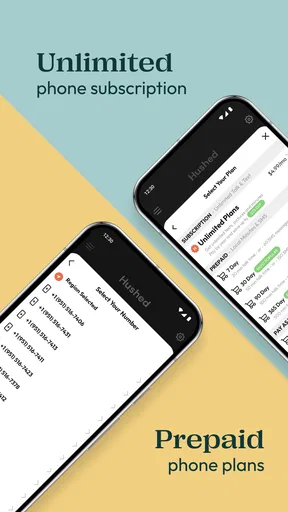
Hushed is free to download, but the app includes purchases ranging from $0.99 to $284.99 per item, so “free” should not be read as unlimited calling and texting at no cost. I would check the current purchase options against the way I plan to use the number before making it the default contact for a busy project. Light, occasional use and frequent customer calls are different needs, and a paid option that feels reasonable for one may not suit the other.
Call quality is another practical consideration. In my experience, a stable internet connection is important, and a weak one can make calls less clear. Before relying on the number for a time-sensitive appointment, I would place a test call from the location where I expect to use it. For a household member who spends much of the day somewhere with unreliable internet, a standard mobile line may be a safer primary contact, with Hushed reserved for less urgent conversations.
What I would check before relying on it
One small habit can prevent a surprising amount of confusion: make a test call and send a test text after setting up the number, then save the contact under a name that identifies its purpose. If voicemail is part of the plan, set a greeting that makes clear which line the caller has reached. That is especially helpful when the same person answers personal and work calls on one device; without a cue, it is easy to respond as though every call came through the same channel.
I would also keep important appointment details outside the message thread. A second number can help separate conversations, but it is not a substitute for recording a confirmed time or address somewhere I can find later. If I stop using a temporary number, I would first make sure I have saved anything I may need and told relevant contacts how to reach me another way. The useful privacy boundary should not turn into an avoidable communication dead end.
For a household, the strongest case is one adult using a clearly defined extra line for a specific purpose, with a shared understanding of who checks it. The weaker case is giving one number to several people and expecting it to function like a managed family account. Hushed is a communication app from AffinityClick Inc., and its appeal is straightforward: it can add a separate calling and texting identity without another phone. Its limits are equally worth planning around—purchases can add up, connection quality matters, and device access still governs who can see the conversations.
Ever found yourself in need of a second phone number but didn't want to go through the hassle of getting another SIM card? Let me introduce you to Hushed: US Second Phone Number. I've been using it for a while now, and it's a game-changer for anyone who needs to keep their personal and professional lives separate without carrying two phones around. Here's my take on it.
Getting Started with Hushed
First things first, downloading Hushed is a breeze. It's available on both Android and iOS, and setting it up took me less than five minutes. You simply install the app, sign up, and voilà! You can choose a number from over 300 area codes across the US and Canada. It’s like picking a new identity—but legally, of course.
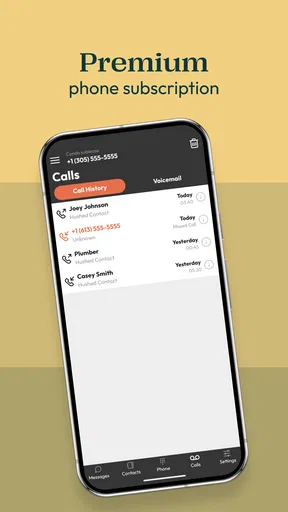
The user interface is intuitive and clean, which is a relief. No one wants to wrestle with clunky designs when trying to make a call. It feels like using your regular phone dialer, just with a tad more anonymity. You can also customize your voicemail greetings and even send texts and pictures, just like with your primary number.
Staying Under the Radar
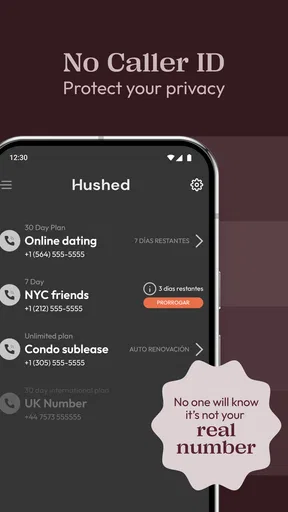
One thing I love about Hushed is the privacy it offers. In this digital era, privacy is a luxury. With this app, your calls and texts are completely separate from your main number. It's perfect for online dating, freelance work, or selling items online. You can maintain your privacy without being a ghost.
The app also offers burnable numbers for those who love the idea of being a secret agent. You can set your number to expire after a certain period or after a specified amount of usage. It’s like having a self-destruct button for your phone number.
Features that Stand Out
Hushed isn’t just about making calls and sending texts. There are a few standout features that I found particularly useful:
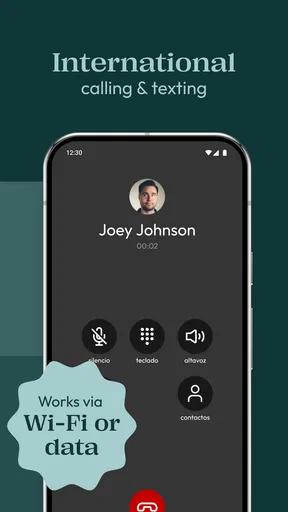
- International Calling: You’re not just limited to the US and Canada. Hushed allows international calls too, which is a big plus for frequent travelers.
- Multiple Numbers: You can have multiple numbers on a single device. This is handy if you're juggling multiple projects or businesses.
- Secure Messaging: All your messages are private and secure, which adds an extra layer of comfort when communicating sensitive information.
Things to Keep in Mind
Now, while Hushed is pretty fantastic, it's not without its quirks. Sometimes, the call quality can be a bit dodgy, especially if you're in an area with weak internet. It's essential to have a stable connection to ensure clear calls.
Also, while the app is free to download, there are in-app purchases. You’ll need to pay for minutes and texts, depending on your usage. It’s generally affordable, but if you’re a heavy user, it might add up over time.
Is Hushed Worth It?
If you’re looking for a simple and effective way to have a second phone number without any hardware fuss, then yes, Hushed is worth every penny. It’s practical for anyone who wants to keep their personal number private or who needs multiple numbers for different aspects of their life.
In conclusion, Hushed: US Second Phone Number is a versatile tool in today's connected world. Whether you're a freelancer, online seller, or just someone who values their privacy, this app is a practical solution. So, go ahead, give it a whirl, and keep your digital life organized and secure.
Verdict
Strengths of Hushed: US Second Phone Number
- Easy setup for new numbers.
- Affordable pricing plans available.
- Supports text, MMS, and calls.
- Multiple numbers on one device.
- Good privacy features.
Limitations of Hushed: US Second Phone Number
- Limited free trial options.
- Occasional call quality issues.
- Some features are premium only.
- Requires internet for use.
- Not available in all countries.
Similar Picks in This Category
View All
Google Messages
Google LLC4.6

Gmail
Google LLC4.1

Google Meet
Google LLC4.4

Google Chrome
Google LLC4.1

WhatsApp Messenger
WhatsApp LLC4.6

Carrier Services
Google LLC4.2
Frequently Asked Questions
What is Hushed and how does it work?
Hushed is an app that provides users with a second phone number, allowing for private calls and texts without revealing your personal number. It functions over Wi-Fi or your data network, making it ideal for business, dating, or any situation where privacy is key. Simply download the app, choose a number, and start using it immediately.
Is Hushed available for both Android and iOS devices?
Yes, Hushed is available on both Android and iOS platforms. You can easily download it from the Google Play Store or the Apple App Store. The app is designed to be user-friendly on both operating systems, ensuring a seamless experience regardless of your device.
Are there any subscription fees associated with Hushed?
Hushed offers various pricing plans, including pay-as-you-go and subscription options. Users can choose from a variety of plans based on their needs, whether it's for a temporary number or long-term use. The app also offers a free trial period for new users to test its features before committing.
Can I use Hushed for international calls and texts?
Yes, Hushed supports international calling and texting. You can use your Hushed number to communicate with contacts around the world. However, rates for international calls and texts may vary, so it’s advisable to check the app's pricing details for specific countries before making international connections.
How secure is my information on Hushed?
Hushed prioritizes user privacy and security. The app uses encryption to protect your calls and messages, ensuring that your information remains confidential. Additionally, Hushed does not share your data with third parties, offering an added layer of privacy for all communications made through the app.
